Daily field briefing
POLR AIPOLR AI

AI + AEC Today

Daily AI intelligence for the built world

Weekly digest

Weekly AI in AEC stories

← Archive

Edition · Tuesday, November 10, 2026

AI & Construction

Weekly Pulse · Industry actionability

The field is piloting, not just experimenting.

64%
ExperimentalPilotingField-ready
  • Big software makers are baking AI into the tools GCs already use
  • AI can now read your drawings and even draft simple ones, but check its work
  • New AI models keep getting faster and cheaper

Practical Use of the Day

Turn a long spec section into a short checklist

Spec sections are long and hard to read fast. You can use a free AI chat tool to help. Paste in one spec section. Ask it to make a short checklist. Ask for what you must submit, what you must install, and what gets tested or inspected. Read it over and fix anything wrong. Now your crew has a simple list to follow. A person must still check it against the real spec.

Try this prompt

You are helping me, a general contractor, turn one dense spec section into a short, plain checklist. I will paste the spec section. Make three short lists: 1) submittals I must send and get approved, 2) materials and work I must install per the spec, 3) tests or inspections required. Use plain words and short lines. Do not add any requirement that is not in the text I paste. If a key number or step is unclear, flag it and ask me.

Tool — Any AI chat tool, like Claude or ChatGPT

Stories

4 curated
ConTechHigh impact

Trimble builds AI into the tools contractors already use

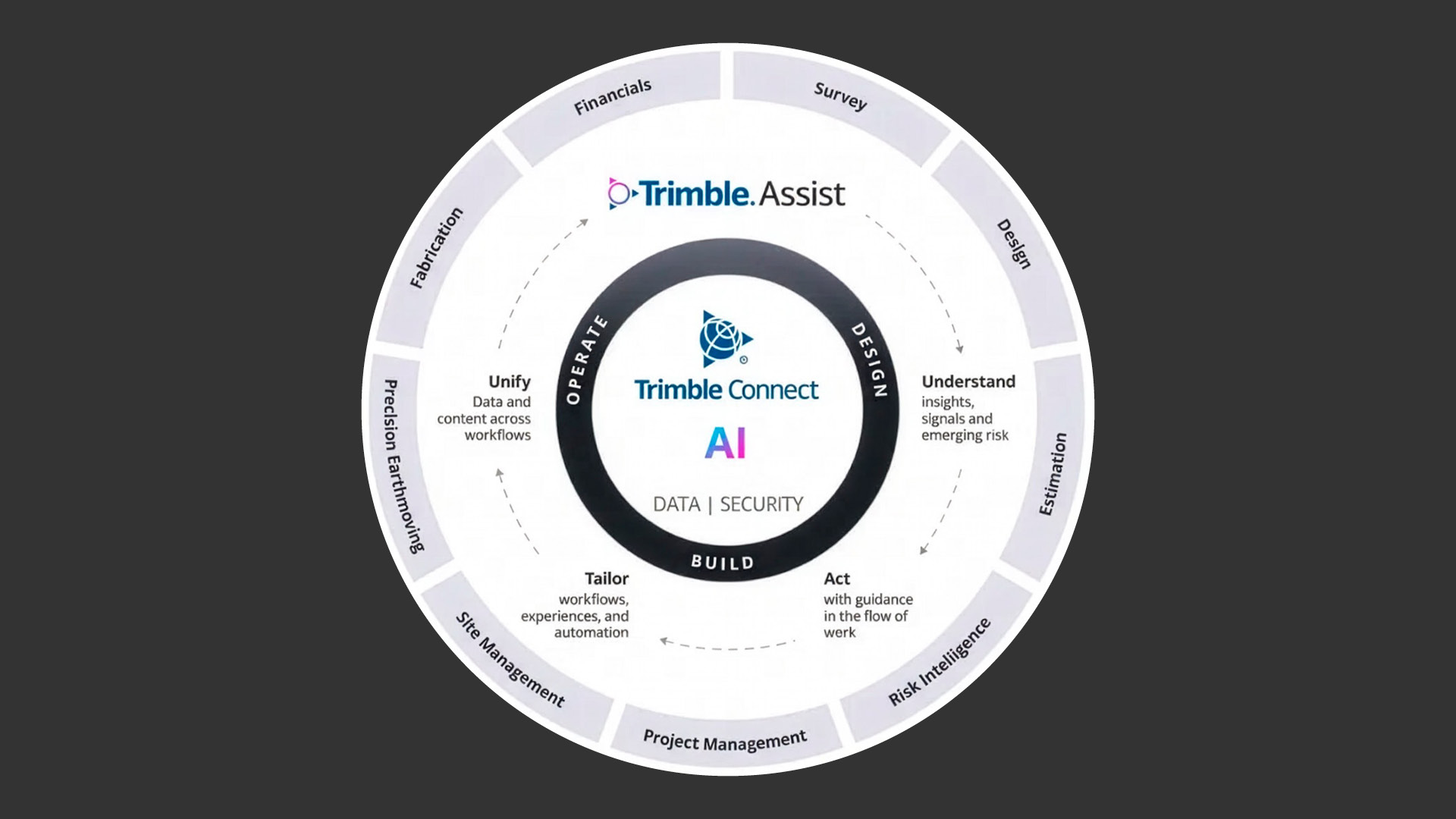
Trimble makes software that a lot of contractors use. It just added AI across its Connect platform. The AI links your site data to design, cost, and schedule. New tools can match invoices, flag change-order risk, and spot schedule slips. One tool turns a site walk video into a 3D model. Another lets you inspect by voice and tie your notes to the drawings.

Why it matters to GCs

These may be tools you already run. AI inside them could save office time on invoices and change orders. The schedule tool can warn you of a slip before it costs you. Trimble says a person still makes the final call.

AEC Magazine·Nov 10·Read source →
LinkedIn
ConTechModerate

An architect got AI to draw a permit-ready house plan

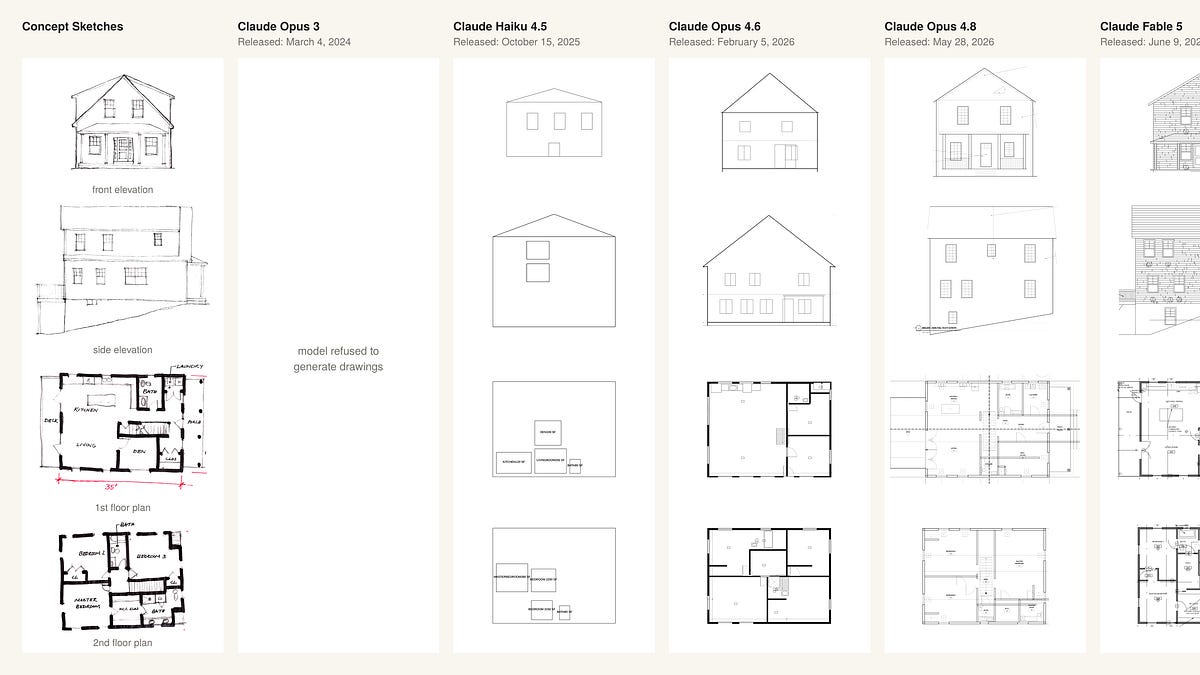
An architect tested 13 AI models on a simple house. He gave each one his sketches and a sample set. Most drew junk. One model drew a full set he says is good enough for a permit. The AI wrote code to make the line drawings, not a CAD program. It took about 12 hours and a few hundred dollars. He still had to redline it twice, and it missed a second exit.

Why it matters to GCs

This is one test, not a tool you can buy yet. But it shows AI is getting close on simple drawings. It also shows the catch: it missed a code item. A pro must still check every sheet.

Stephen Gallagher·Oct 28·Read source →

LinkedIn
ConTechHigh impact

New AI checks your drawings against the contract for scope gaps

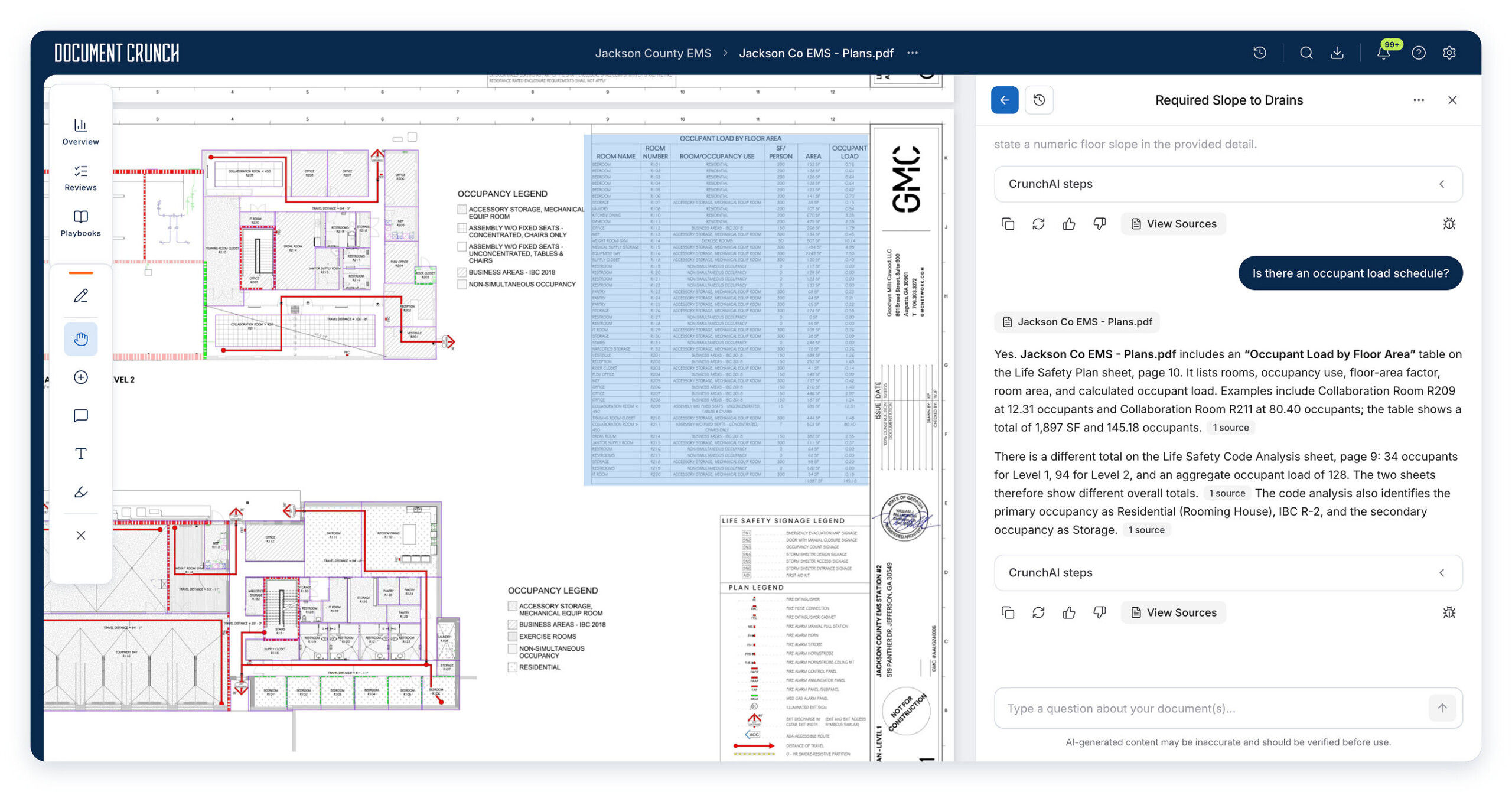
Document Crunch is a Trimble company. Its AI used to read contracts and specs. Now it reads your drawing sets too. You can ask it questions in a chat. It pulls notes and scope from across many sheets. It flags gaps and spots where the drawings and contract do not match. It links each answer back to the source page.

Why it matters to GCs

A missed note or a scope gap turns into a change order later. Catching it before you sign can save real money. The tool is live for all users now. You still check the flags, but it does the slow read for you.

Engineering.com·Oct 26·Read source →

LinkedIn
AI FrontierModerate

Anthropic puts out new AI models that run faster and cost less

Anthropic makes the Claude AI tools. It just put out two new models, Fable 5.2 and Mythos 5.2. The company says they run 30 percent faster than the last ones. They also cost about 20 percent less to use. Fable is built for hard jobs like math and code. Mythos goes to only a few vetted groups. The release comes right before the company may sell stock to the public.

Why it matters to GCs

Faster, cheaper AI means the tools you use may get better and cost less. Many construction apps run on models like these. When the base model improves, your software can too. It is worth knowing what is under the hood.

CNBC·Nov 9·Read source →

LinkedIn