
Daily field briefing
POLR AIPOLR AI

AI + AEC Today

Daily AI intelligence for the built world

Weekly digest

Weekly AI in AEC stories

← Archive

Edition · Tuesday, November 3, 2026

AI & Construction

Weekly Pulse · Industry actionability

The field is piloting, not just experimenting.

52%
ExperimentalPilotingField-ready
  • AEC staff are already building their own AI tools, often with no oversight
  • The big worry now is governance and liability, not just whether AI works
  • Running AI agents hard still costs a lot, which limits who can use them
  • AI is starting to help build better AI, which raises new safety questions

Practical Use of the Day

Make a simple AI rulebook for your team

Your crew may already use AI tools you have not seen. A short rulebook keeps this safe. It does not need to be long. One page is fine. Use an AI chat tool to write a first draft, then fix it to fit your firm. Cover which tools are OK, what data they can touch, and who signs off before a tool changes a real project file. Share it with your team this week.

Try this prompt

You are helping me, a general contractor, write a simple one-page AI use policy for my team. Keep it plain and short, at about a 6th-grade reading level. Cover these points: which AI tools staff may use for work, what company or project data they may put into an AI tool and what they may not, a rule that no AI tool may change a live project file or model without a named person approving it, and a rule to keep a simple list of any AI tool that staff build or use. Give it to me as short bullet points I can edit. Ask me one or two questions first if you need to know how my firm works.

Tool — Any AI chat tool, like Claude or ChatGPT

Stories

3 curated
ConTechHigh impact

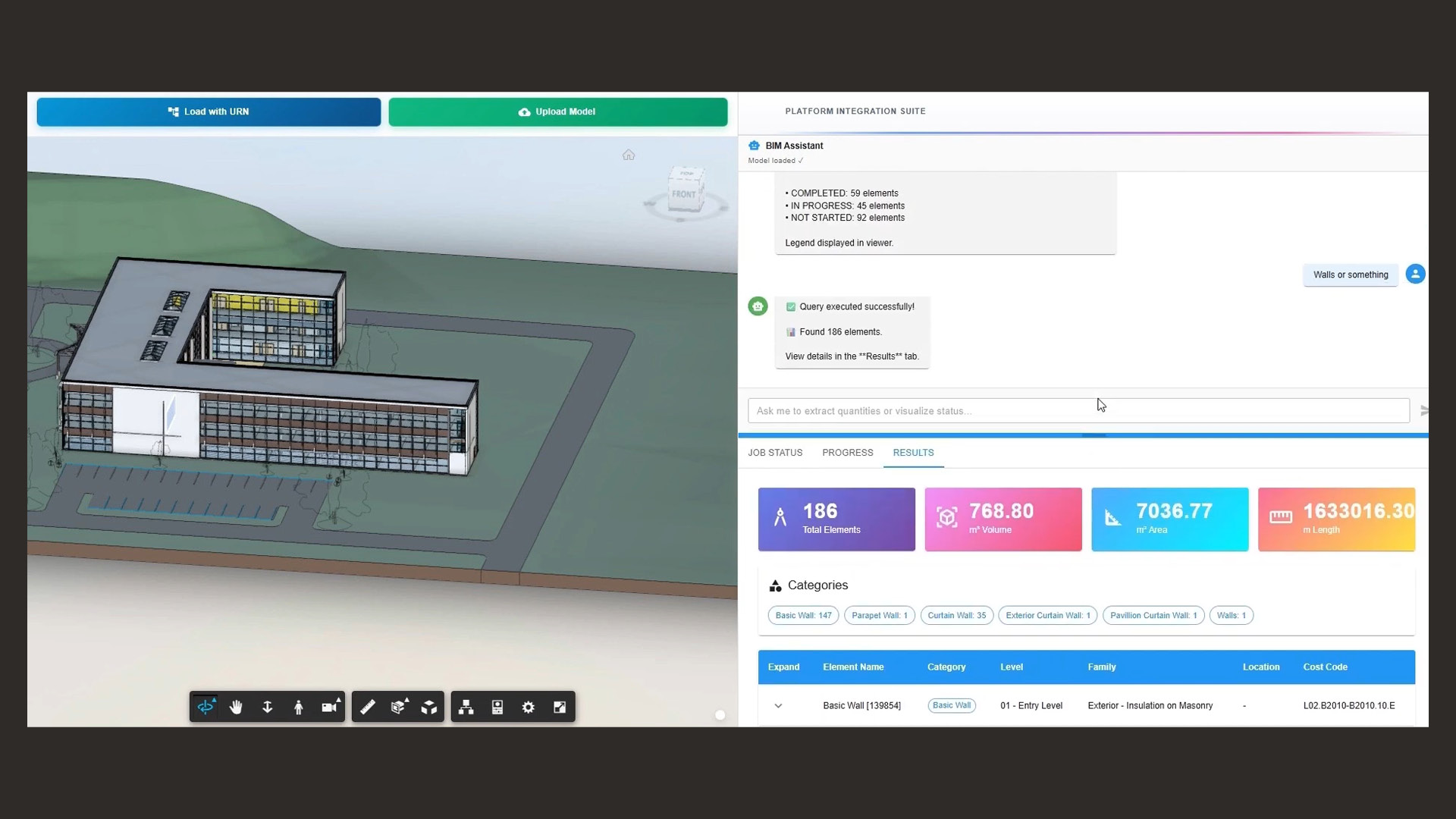
Your staff may be building hidden AI tools that change project models

New AI coding tools let people build small apps fast. Now estimators and engineers at many firms make their own tools with no training. Some of these tools can even change a live project model. The problem is that no one tracks them. There may be no record of who made a tool, what it does, or what it changed.

Why it matters to GCs

A hidden tool that changes your model is a real risk. If it makes a bad change, you may not know who did it or how to undo it. Ask your team what they built, keep a simple list, and name one person who signs off before any tool touches a live file.

AEC Magazine·Nov 2·Read source →
LinkedIn
AI FrontierModerate

Anthropic says it is close to AI that helps build better AI

Anthropic makes the AI tool Claude. In a new filing, it said it may soon build AI that helps make even better AI. It has already used AI to help train new models. The company said this could speed up AI a lot. It also warned this could be risky, so it wants to keep people in charge.

Why it matters to GCs

The AI tools you use could get better fast. That could mean more help on takeoffs, RFIs, and schedules. But a person still has to check the work, because fast does not mean right.

TechCrunch·Nov 2·Read source →

LinkedIn
AI & BusinessModerate

A top investor spends up to $200,000 a year to run AI agents

AI agents are tools that do tasks for you on their own. Garry Tan runs a big startup fund. He said he spends about 100,000 to 200,000 dollars a year to run his AI agents. He uses them for work and coding every day. He said the cost is still too high for most people.

Why it matters to GCs

AI agents can do real work, but heavy use gets costly fast. The price at sign-up may not be the price at full speed. Test one on a small job first and watch the bill, so the time it saves is worth the cost.

TechCrunch·Nov 2·Read source →

LinkedIn