Daily field briefing
POLR AIPOLR AI

AI + AEC Today

Daily AI intelligence for the built world

Weekly digest

Weekly AI in AEC stories

← Archive

Edition · Friday, October 30, 2026

AI & Construction

Weekly Pulse · Industry actionability

The field is piloting, not just experimenting.

60%
ExperimentalPilotingField-ready
  • AI tools now draft whole BIM models and building designs, not just images
  • The new design AIs ship fast, but still need a person to check the work
  • Big money is flowing into AI that designs buildings
  • Stronger general AI is good at finding software weak spots, so lock down your apps

Practical Use of the Day

Sanity-check an AI-made design before you trust it

AI tools can now draft plans and models fast. That speed is great, but the AI can miss real-world details. Before you build from an AI design, run a quick check. Paste the key specs, sizes, and notes into any AI chat tool. Ask it to list anything that looks wrong, unsafe, or hard to build. Ask it to flag missing info, like a gap between two trades. Then walk the list with your team, since the AI can still be wrong. This one step catches problems while they are cheap to fix.

Try this prompt

You are helping me, a general contractor, review a design before we build it. I will paste the key specs, dimensions, and notes from a drawing set or model. Point out anything that looks wrong, unsafe, or hard to build in the field. List any missing information, unclear details, or gaps between trades that could turn into an RFI. Rank your concerns from high to low risk. For the top three, suggest one question I should ask the designer. Keep it short and in plain words. If something is unclear, ask me before you guess.

Tool — Any AI chat tool, like Claude or ChatGPT

Stories

3 curated
AI & BusinessHigh impact

Dream raises 17 million dollars for AI that designs whole buildings

Two former Palantir leaders started a company called Dream. It just raised 17 million dollars from top investors. Dream builds an AI that designs whole buildings on its own. You give it a site, and it lays out the building with its plumbing and heating. It learned from more than 100 million square feet of real permit plans. The company says this makes its drawings precise enough to build from. It wants to replace tools like AutoCAD and Revit. Those are its own claims, so check them.

Why it matters to GCs

Slow or rough plans cost you in RFIs and change orders. An AI that drafts a buildable design fast could speed up the early stages. But it is new and runs on just 10 jobs so far. So watch it, and do not plan around it yet.

TechCrunch·Oct 29·Read source →

LinkedIn
ConTechHigh impact

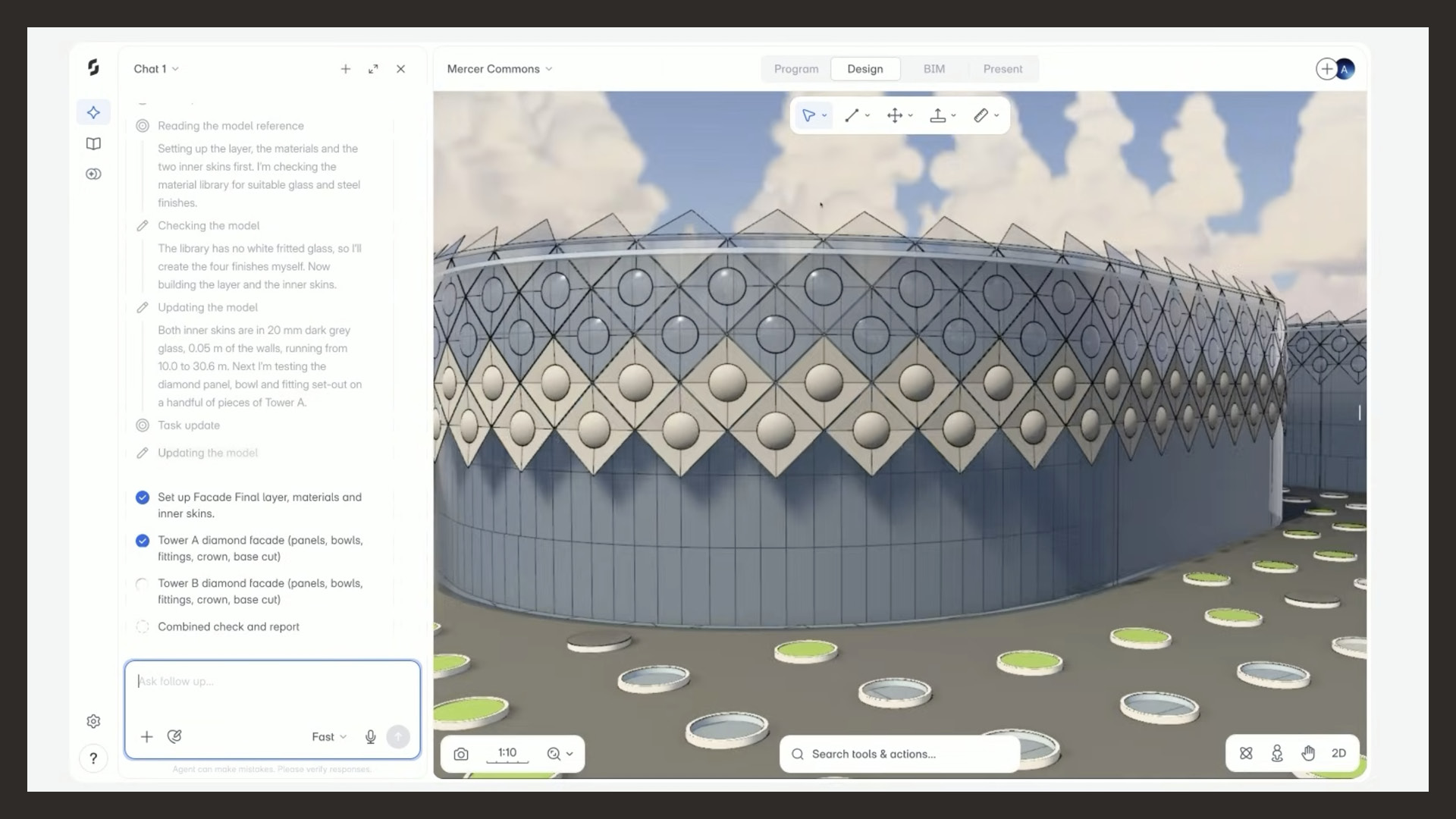
Snaptrude's AI agent builds your BIM model to LoD 400

Snaptrude added an AI agent to its design tool. You type what you want, and it writes a plan. You check the plan, then let it work. It can turn a rough shape into a full BIM model in minutes. That model can hold structure, MEP, and drawings at LoD 400. It can even model parts that are not in your library from a spec sheet. It then hands the model to Revit and keeps your families. All of this is the company's own claim, so check it.

Why it matters to GCs

Detailed BIM work eats hours and holds up the whole team. An AI that does the grunt work could get you clean, buildable models sooner. Fewer gaps in the model means fewer clashes and RFIs later. A person still needs to check the work before you trust it.

AEC Magazine·Oct 29·Read source →

LinkedIn
AI FrontierModerate

Google's new top AI model is built to find software weak spots

Google put out a new AI model called Gemini 4 Carbon. It calls this its strongest model yet. The model is built to find weak spots in software and to handle long, multi-step jobs. Early scores rank it at the top of one well-known AI test. For now, only a small group of security teams can use it. A wider release has no date yet. The scores are Google's own, so check them.

Why it matters to GCs

The big AI models end up inside the apps you use every day, like takeoffs, email, and project tools. A model that is good at finding holes in software helps the people who guard your apps. But it helps attackers just as much. Keep your software patched and limit what each login can reach.

Google·Oct 28·Read source →

LinkedIn